

UK Flooring Trends in 2025: A Look Back at the Designs That Defined the Year
UK Flooring Trends in 2025: A Look Back at the Designs That Defined the Year
The UK flooring sector has experienced significant shifts in 2025, driven by evolving design preferences, sustainability requirements, and technological advances in manufacturing. Having overseen hundreds of installations across London and the Home Counties this year, I’ve seen how these trends translate into real-world project specifications and client preferences.
Market data indicates the UK floor covering sector maintains steady growth which reflects both residential refurbishment activity and commercial sector recovery following continued economic challenges.
The trends emerging this year have represented fundamental shifts in how we approach flooring specification. From enhanced durability requirements in commercial spaces to sophisticated underfloor heating compatibility in residential projects, today’s flooring choices have been charged with delivering performance alongside visual appeal.
Wide-Plank Wood Flooring: The Premium Choice
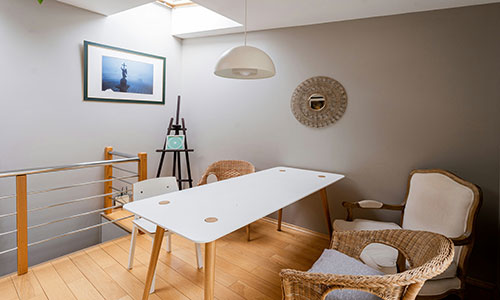
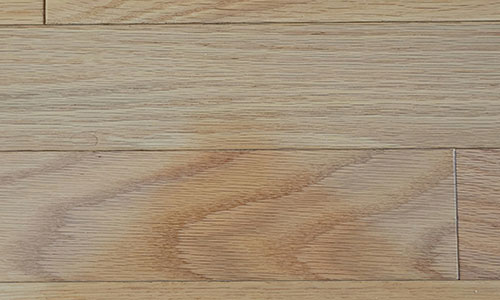
Wide-plank engineered wood became the dominant choice for high-end residential and commercial projects throughout 2025. Industry reports consistently identified wide plank wood flooring as the leading trend, and our installation data supports this.
Technical Advantages of Wide Planks
The preference for wide planks, typically 200mm and above, stems from both aesthetic and practical considerations:
- Fewer joints per square metre reduce maintenance requirements in commercial applications
- Enhanced grain visibility creates more dramatic visual impact in residential spaces
- Improved structural stability when properly acclimatised and installed with compatible adhesives
- Better compatibility with underfloor heating systems due to reduced expansion joint requirements
Species and Finish Preferences
Oak remains the predominant choice, though we’ve specified increasing quantities of:
- European Oak with natural oil finishes for commercial hospitality projects
- American White Oak with brushed textures for residential developments
- Engineered Walnut planks for premium retail installations requiring rich, dark tones
The shift towards wider planks has required careful subfloor preparation and moisture management. Our installation teams now routinely specify enhanced vapour barriers and extended acclimatisation periods for planks exceeding 220mm width.
Terrazzo Revival in Commercial Specifications
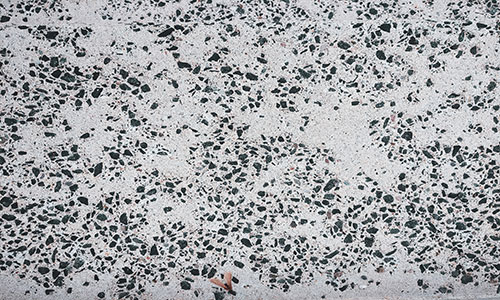
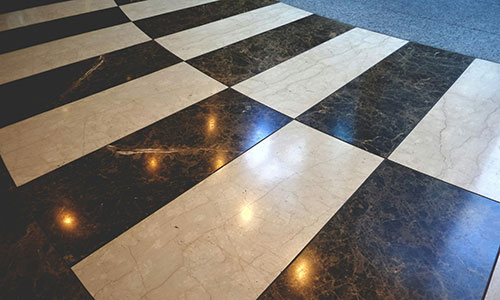
Terrazzo effect tiles have emerged as a significant trend for 2025, particularly in commercial and high-traffic residential applications. This revival combines the classic aesthetic of traditional terrazzo with the practical advantages of modern ceramic and porcelain manufacturing.
Modern Terrazzo Applications
Contemporary terrazzo-effect products offer significant advantages over traditional poured terrazzo:
- Consistent finish quality
- Rapid installation schedules
- Predictable maintenance requirements
- Enhanced slip resistance
Specification Considerations
When specifying terrazzo-effect tiles for commercial projects, key technical factors include:
- Abrasion resistance ratings: minimum PEI Class 4
- Slip resistance: R10 for dry areas, R11 for wet areas
- Thermal expansion coefficients for UFH compatibility
- Grout line coordination to maintain a seamless visual effect
The most successful terrazzo projects this year have combined large-format tiles (600×600mm+) with precision installation techniques that minimise grout visibility.
Large Stone Tiles in Cool Tones
Large-format stone and stone-effect tiles have surged in popularity throughout 2025. In commercial projects especially, tiles exceeding 1200mm have become common.
Technical Requirements for Large Format Installation
Large stone tiles demand enhanced protocols:
- Laser-levelled subfloors (±2mm over 2m)
- Full-bed adhesive application
- Mechanical lifting equipment for heavy tiles
- Expansion joint planning
Popular Stone Types and Finishes
Limestone variants:
- Tumbled – hospitality settings
- Honed – residential bathrooms
- Brushed – indoor–outdoor continuity
Travertine alternatives:
- Filled and honed – commercial entrances
- Cross-cut – retail environments
Engineered stone:
- Quartz-composite tiles
- Recycled stone content options
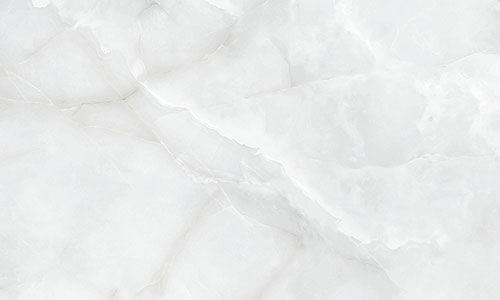
Cool grey and neutral beige tones have dominated specifications, complementing contemporary concrete and steel interiors.
Herringbone Pattern Renaissance
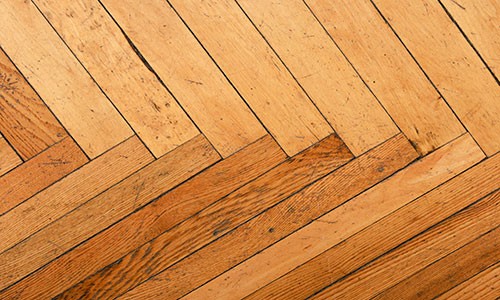
Herringbone patterns have re-emerged across residential and commercial settings, forming one of 2025’s most requested designs. Successful results, however, have relied on skilled installation.
Installation Complexity and Costs
Herringbone installations typically feature:
- 8–12% additional cutting waste
- 30% longer installation time
- High precision requirements
- Border detail planning
Material Suitability
Engineered wood:
- Minimum 18mm thickness
- T&G profiles for angled cuts
- End-grain sealing recommended
LVT:
- Rigid core preferred
- Modified click-systems for angled joints
- Adhesive-down installs recommended for stability
Ceramic/porcelain:
- Rectified edges essential
- Wood-effect tiles designed for pattern accuracy
Sustainability Focus: Materials and Certifications
Environmental performance continued to shape flooring specifications throughout 2025, driven by UK Building Regulations, BREEAM requirements for commercial projects, and growing consumer awareness around indoor air quality and ethical sourcing. Both commercial clients and residential homeowners increasingly requested documentation around material origins, recycled content, and long-term environmental impact.
Key Specification Considerations
Certification and standards:
- FSC-certified timber from UK and European sources
- BRE Green Guide A+ ratings for commercial projects
- Low VOC emissions for improved indoor air quality
- Third-party verification of sustainability claims
Health and performance:
- VOC-free adhesives and finishes for family homes
- Antimicrobial properties in natural materials
- Enhanced durability reducing replacement frequency
- Non-toxic materials for nurseries and children’s spaces
Popular Sustainable Materials
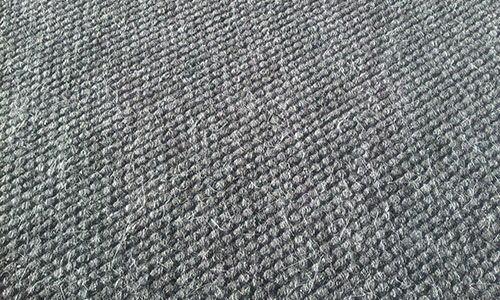
Engineered wood with FSC certification reduced environmental impact through verified forest management, whilst offering the longevity homeowners need to justify premium investment. UK-manufactured carpet tiles and LVT products gained ground across both commercial and residential projects, combining recycled content with reduced transport emissions.
Cork remained popular in residential applications for its renewable credentials, natural antimicrobial properties, and comfort underfoot, particularly in kitchens and home offices. Wool carpets from UK and Irish mills appealed to homeowners seeking natural fibres alongside commercial clients requiring durable, flame-retardant solutions.
Luxury Vinyl Tile Evolution
LVT continued to develop rapidly throughout 2025, with manufacturers focusing on improved thermal stability, surface durability, and acoustic performance. Product differentiation became increasingly sophisticated, with SPC and WPC constructions offering distinct advantages for different applications.
Enhanced Product Categories
SPC (Stone Plastic Composite):
- Impact resistant for commercial environments
- Thermal stability for underfloor heating compatibility
- Waterproof construction for wet areas
WPC (Wood Plastic Composite):
- Integrated underlay reducing subfloor preparation
- Softer underfoot for residential comfort
- Greater subfloor tolerance for renovation projects
Commercial Application in 2025
Installation Methods
Installation technique selection proved critical to long-term performance. Loose lay systems offered friction-fit installation with reusability benefits and rapid deployment schedules, making them ideal for temporary fit-outs and exhibition spaces. Click-lock systems provided tool-free installation with flexible layout options and simplified repair procedures, particularly valued by residential clients and small commercial projects requiring minimal disruption.
Adhesive-down installations remained the preferred specification for heavy traffic commercial environments, delivering the highest stability under demanding conditions. These systems proved essential for retail and hospitality projects where wheeled trolleys, point-loading from display fixtures, and intensive foot traffic demanded maximum substrate adhesion. The compatibility with commercial-grade adhesives also enabled installers to meet stringent warranty requirements from major manufacturers.
Commercial Sector Requirements
Commercial specifications throughout 2025 prioritised durability, maintenance efficiency, and acoustic performance. Classification standards remained critical to specification decisions, with Class 33 products specified for standard office environments and Class 43 reserved for high-traffic retail and hospitality applications where footfall intensity demands enhanced wear resistance.
Performance Priorities
Maintenance efficiency considerations shaped product selection across all commercial sectors. Stain and chemical resistance proved essential for hospitality and healthcare environments, whilst balanced surface textures delivered the slip resistance required for safety compliance without compromising cleaning efficiency. Acoustic performance gained prominence in specification discussions, with impact sound reduction addressing occupant comfort in multi-storey buildings and airborne sound absorption improving workplace productivity in open-plan offices.
Specialist Commercial Applications
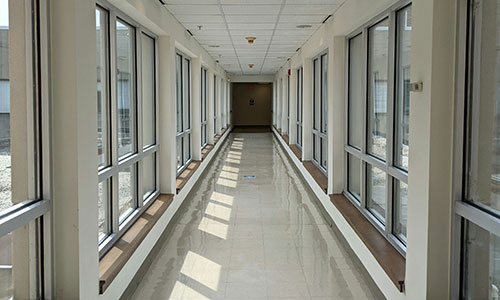
Healthcare:
- Seamless finishes preventing bacterial harbourage
- Chemical resistance for medical-grade cleaning protocols
- Static-dissipative options for operating theatres and laboratories
Education:
- Very high durability for intensive classroom use
- Enhanced acoustic performance in teaching spaces
- Low maintenance reducing operational costs
Retail:
- Brand-aligned aesthetics supporting customer experience
- Resistance to trolleys, point-loading, and stiletto heels
- Easy sectional replacement minimising downtime during trading hours
Regional Variations and Local Preferences
A long-standing trend which continued throughout 2025 was the marked variation in flooring preferences across UK regions. Geographic location consistently influenced material selection, budget allocation, and performance priorities, with patterns reflecting local climate, architectural heritage, and economic factors.
London & South East
- Contemporary materials and design-led specifications
- Performance-led products with documented credentials
- Sophisticated colour palettes (grey, taupe, muted tones)
- Premium brand usage and specification
Northern Regions
- Traditional materials and established product categories
- High thermal performance for colder climates
- Cost-effective volume solutions
- Industrial-grade commercial choices prioritising longevity
Coastal Areas
- Moisture-resistant materials for high-humidity environments
- Corrosion-resistant fittings and fixtures
- UV stability for sun-exposed installations
- Enhanced thermal movement allowances
Future Outlook and Emerging Technologies for 2026
Looking ahead to 2026, several genuine flooring innovations are positioned to impact both commercial and residential projects. Bio-based flooring materials combining renewable polymers with traditional structures are entering production, offering comparable durability to conventional products whilst reducing environmental impact and improving indoor air quality through lower chemical emissions benefits valued by both corporate ESG commitments and health-conscious homeowners.
Installation innovations promise faster, cleaner fitting processes across all project types. Advanced adhesive formulations reduce installation time and eliminate much of the wet-work traditionally associated with professional fitting, whilst self-levelling compound improvements are reducing subfloor preparation requirements. These developments benefit commercial fit-outs requiring minimal business disruption and residential renovations where homeowners remain in occupation during works.
Self-healing finish technology represents perhaps the most exciting development for wood flooring. These finishes incorporate polymers that flow and rebond when subjected to minor scratches, maintaining appearance in high-traffic commercial environments whilst offering residential clients improved scratch resistance from furniture movement, pet claws, and everyday family life. Early adoption suggests refinishing intervals could extend by several years compared to conventional finishes.
Final Thoughts
The UK flooring sector in 2025 has shown a clear shift towards performance-driven specifications, sustainable materials, and highly skilled installation methods. Wide-plank wood has maintained its premium appeal, terrazzo and stone formats have dominated commercial design, herringbone patterns have continued to rise, and LVT has remained as a powerhouse category due to ongoing material innovation.
Professional installation has also been central to achieving the required performance, and regional differences have continued to influence product choice. Future innovation in digital manufacturing and smart flooring technologies will likely see further options for specifiers and designers in the short and medium term.
If you’re looking for new flooring options, our experienced team provides comprehensive consultation services, from initial material selection through to professional installation and aftercare support. Get in touch with us today on 0208 959 2629.
Latest Work
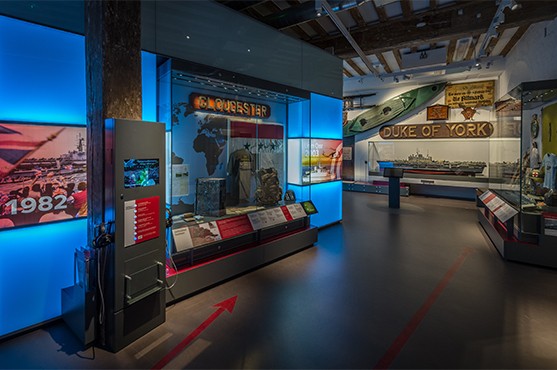
NATIONAL MUSEUM OF THE ROYAL NAVY – Part of a £1.25m fit out of a major new exhibition for the National Museum of the Royal Navy (NMRM) at Portsmouth Historic Dockyard.
Indigo Flooring were tasked with completing the complicated layout of some 1,500 m2 of Marmoleum flooring with a water jet cut world map inlaid into the floor and Jet cut map of Great Britain vertically installed onto two swing doors, with various hand cut contrasting inlays leading the public to important exhibits throughout.
To see more of our work click here >>>