

luxury flooring types
After more than 30 years fitting floors across London and the Home Counties, I’ve had the same conversation with hundreds of customers. They walk into the showroom, tell me they want a “luxury floor,” and then ask me what that actually means.
It’s a fair question. The word “luxury” gets thrown around so much it’s lost most of its meaning. So in this post, I want to cut through the marketing and give you a straight answer about what luxury flooring actually is, the main types worth considering, and how to pick the right one for your home or business.
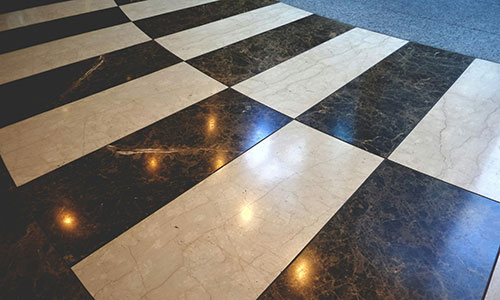
What Counts as a Luxury Floor?
In my book, a luxury floor is one that combines three things: high-quality materials, proper craftsmanship in how it’s made, and a finish that genuinely looks and feels premium underfoot. It should also last. A floor that wears out in five years isn’t luxury, no matter what the brochure says.
Luxury doesn’t always mean the most expensive option either. A well-made engineered oak from Ted Todd will outperform a cheap solid hardwood every time. And a top-tier luxury vinyl tile from Karndean or Amtico can look better in a busy family kitchen than a stone floor that’s constantly stained.
Here are the main luxury flooring types I install regularly, with honest notes on each.
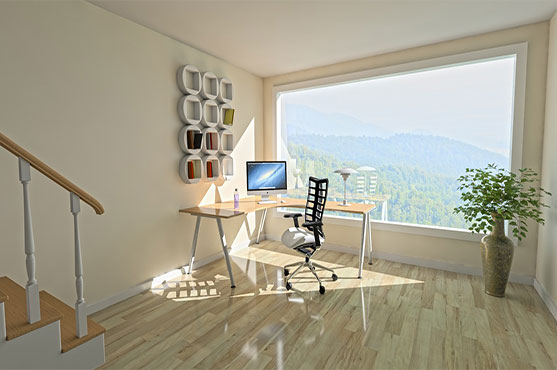
Engineered Hardwood
What it is
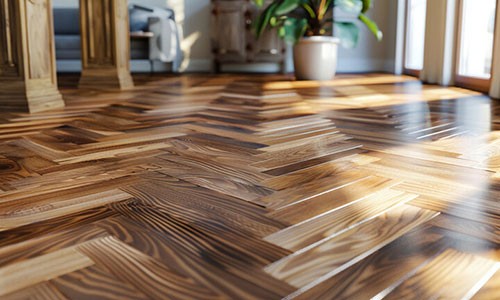
Engineered wood is made from a real hardwood top layer (usually oak, walnut or ash) bonded to a stable plywood or HDF core. The top layer is genuine timber, sometimes 4–6mm thick on premium boards, which means it can be sanded and refinished down the line.
Where it works
Living rooms, bedrooms, hallways, dining rooms and kitchens. It’s also the only real wood option I’d recommend over underfloor heating, because the layered construction handles temperature changes far better than solid timber.
Pros and cons
Pros:
- Looks and feels like real wood (because it is)
- Stable over underfloor heating
- Can be refinished
- Adds genuine value to a property
Cons:
- Can dent if you drop heavy objects
- Not ideal for bathrooms or wet areas
- Premium brands aren’t cheap
Cost guidance
Expect to pay £55–£120 per square metre supply-only for quality engineered boards from brands like Ted Todd or Quick-Step. Installation typically adds £25–£45 per square metre depending on the subfloor and fitting method.
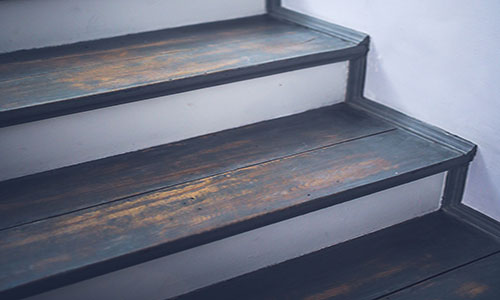
Solid Hardwood
What it is
A single piece of timber, usually 18–22mm thick. Traditional, solid, long-lasting if looked after properly.
Where it works
Period properties, formal living rooms, bedrooms. I generally don’t recommend solid wood for kitchens or anywhere with underfloor heating.
Pros and cons
The character is unmatched, and a properly maintained solid oak floor can last over 100 years. But it moves with humidity, which causes gapping in winter and cupping in damp summers. In my experience, most modern UK homes are better off with engineered.

Natural Stone
What it is
Marble, limestone, travertine, slate. Quarried from the earth, cut into tiles or slabs, and finished in various ways (polished, honed, tumbled).
Where it works
Entrance halls, kitchens, bathrooms, conservatories. Stone is at its best in rooms where you want that solid, grounded feel and don’t mind a cooler surface underfoot (or you’re pairing it with underfloor heating, which I’d strongly recommend).
Pros and cons
Pros:
- Genuinely timeless
- Extremely hard-wearing
- Each tile is unique
- Pairs beautifully with underfloor heating
Cons:
- Cold without UFH
- Most types need sealing every 1–2 years
- Marble stains and etches if you spill wine or lemon juice and don’t wipe it quickly
- Heavy — your subfloor needs to handle the weight
- Expensive to install properly
Cost guidance
Stone tiles range from £40 per square metre for basic limestone to £200+ for premium marble. Installation is the bigger consideration — proper stone fitting with the right adhesives and sealants typically runs £60–£100 per square metre.
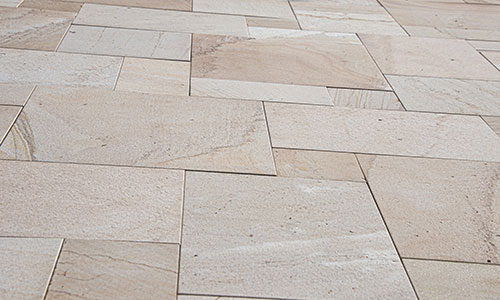
Luxury Vinyl Tile (LVT) — Karndean and Amtico
What it is
This is where a lot of customers are surprised. Modern LVT from brands like Karndean and Amtico is genuinely a luxury product. It’s a multi-layer vinyl plank or tile with a high-definition print layer and a clear protective wear layer on top. The best ranges replicate wood and stone so convincingly that I’ve had customers crouch down and touch it before they believe me.
Where it works
Honestly, almost anywhere. Kitchens, bathrooms, utility rooms, hallways, open-plan living areas, commercial premises. It’s waterproof, warm underfoot, and works brilliantly with underfloor heating.
Pros and cons
Pros:
- Waterproof
- Quiet and warm underfoot
- Highly scratch-resistant (great for pets and kids)
- Huge range of designs
- Easier to maintain than wood or stone
Cons:
- It’s not real wood or stone — purists will know
- Quality varies hugely between brands and ranges
- Cheap LVT looks cheap. Stick to the proper manufacturers
- Subfloor preparation has to be perfect or every imperfection telegraphs through
Cost guidance
Quality LVT ranges from £35–£75 per square metre supply-only. Installation typically £30–£50 per square metre, but the subfloor prep can add significantly if your existing floor is uneven. You can browse the official ranges at Karndean and Amtico to see what’s available.
Porcelain Tile
What it is
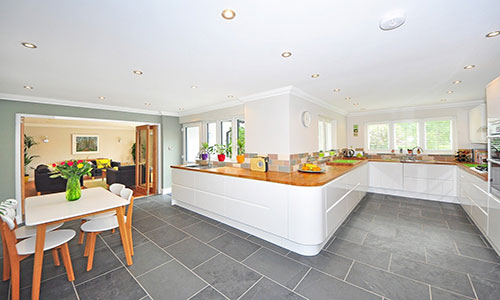
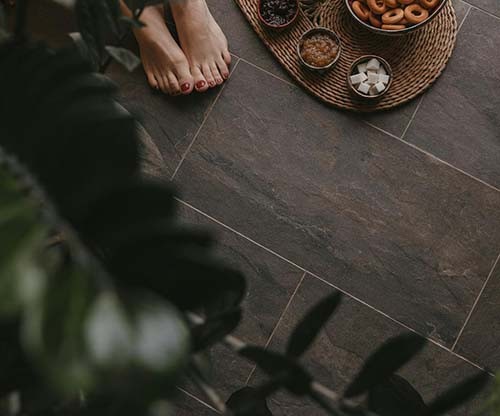
A dense, fired clay tile that’s harder and less porous than ceramic. Modern porcelain can mimic wood, marble, concrete and stone with remarkable accuracy, often in large-format tiles up to 1200mm long.
Where it works
Kitchens, bathrooms, hallways, conservatories, commercial spaces. Excellent over underfloor heating.
Pros and cons
Pros:
- Practically indestructible
- Waterproof and stain-resistant
- No sealing required
- Outstanding with UFH
Cons:
- Hard underfoot — tiring to stand on for long periods
- Cold without underfloor heating
- Tiles can crack if dropped on, and replacement tiles need to be kept aside
- Grout lines need cleaning periodically
Wool Carpet
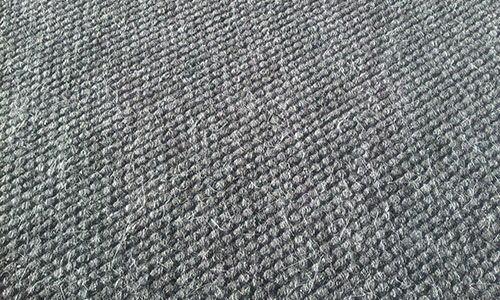
People forget that a proper wool carpet is a luxury floor. A Brintons Axminster in a master bedroom or a formal sitting room is one of the nicest things you can walk on. Warm, quiet, and made to a standard most modern carpets simply don’t reach.
Wool is naturally stain-resistant, flame-retardant and incredibly durable. The downside is the price — expect £60–£150 per square metre supply-only for a proper woven wool carpet — and it’s not suited to wet areas or households where pet accidents are likely.
Cost Considerations: What You’re Really Paying For
A common mistake I see is people budgeting for the floor and forgetting the rest. Here’s what actually goes into the total cost:
- The flooring itself
- Underlay or adhesive
- Subfloor preparation (often the hidden cost — uneven floors need levelling)
- Skirting and threshold strips
- Removal and disposal of the old floor
- Installation labour
For a typical 30 square metre living/dining area in luxury engineered oak, you should budget £4,000–£7,000 all in. Stone or premium LVT in the same space might land between £3,500 and £8,000 depending on choices.
Always get a proper site survey before committing — quotes based on a phone call are guesses.
Installation Requirements
This is where I get protective of customers. The fanciest floor in the world will fail if it’s badly fitted. A few non-negotiables:
- Subfloor must be flat, dry and stable. Moisture testing is essential, especially on concrete.
- Acclimatisation matters. Wood and LVT need to sit in the room for 48–72 hours before fitting.
- Underfloor heating requires specific adhesives, underlays and product choices. Don’t assume any floor will work.
- Use the right fitter. Premium floors deserve premium fitting. Ask for references and photos of recent jobs.
Maintenance and Durability
Each type needs different care:
- Engineered/solid wood: Sweep regularly, damp mop with wood-specific cleaner, never soak. Refinish every 10–15 years.
- Stone: Reseal every 1–2 years, use pH-neutral cleaners only.
- LVT: Sweep and damp mop. That’s about it.
- Porcelain: Mop with mild detergent, occasionally clean grout.
- Wool carpet: Vacuum twice weekly, professional clean every 18–24 months.
Common Mistakes to Avoid
After three decades, the same mistakes come up over and over:
- Choosing on looks alone. A pale oak in a Labrador-owning household is asking for trouble.
- Skimping on underlay or adhesive. False economy every time.
- Ignoring the subfloor. A perfect floor on a poor subfloor will fail.
- Buying online without seeing samples in your home. Lighting changes everything. Always take samples home and look at them at different times of day.
- Mixing too many floor types in an open-plan space. It chops the room up visually.
- Forgetting about thresholds. Going from a thick carpet to thin LVT? You’ll need a proper transition strip.
How to Choose the Right Luxury Floor
Here’s the process I take customers through in the showroom:
- Start with the room’s function. Wet area? Heavy traffic? Pets? Kids? Be honest.
- Consider underfloor heating. Existing or planned? It rules certain options out.
- Set a realistic total budget including fitting and prep, not just the floor.
- Look at samples in your actual home under your actual lighting.
- Think long-term. A floor that lasts 25 years at £80/m² is better value than one that needs replacing in 8 at £40/m².
- Get expert advice in person. Photos and websites only tell you so much.
Come and See for Yourself
If you’re weighing up luxury flooring options, the best thing you can do is see and feel them in person. We’ve got working displays of Karndean, Amtico, Ted Todd, Quick-Step, Brintons and a wide range of stone and porcelain in our London showroom.
Bring your photos, your floor plans and your questions. Pop in to the Indigo Flooring showroom, or book a free home consultation and I’ll come out and give you honest advice based on what your space actually needs — not what’s easiest for me to sell.
Latest Work

NATIONAL MUSEUM OF THE ROYAL NAVY – Part of a £1.25m fit out of a major new exhibition for the National Museum of the Royal Navy (NMRM) at Portsmouth Historic Dockyard.
Indigo Flooring were tasked with completing the complicated layout of some 1,500 m2 of Marmoleum flooring with a water jet cut world map inlaid into the floor and Jet cut map of Great Britain vertically installed onto two swing doors, with various hand cut contrasting inlays leading the public to important exhibits throughout.
To see more of our work click here >>>