

Why Getting Flooring Right Matters
Introduction: Why Getting Flooring Right Matters
Over three decades, I’ve installed flooring in hundreds of properties across London and the Home Counties. I’ve worked in Victorian terrace houses with uneven subfloors, modern new builds with underfloor heating, busy restaurants, boutique hotels, and everything in between. Through all of this, one thing remains constant: choosing the right flooring makes an enormous difference to how you live and work in a space.
The flooring market has changed dramatically since I started out. Back then, your options were essentially carpet, solid hardwood, or vinyl tiles. Now, we’ve got engineered wood, luxury vinyl tile (LVT), laminate that looks remarkably like real wood, and countless specialist products designed for specific situations. This variety is fantastic for homeowners and business owners, but it can also feel overwhelming.
I wrote this guide to share what I’ve learned from actually doing the work. Not from reading trade magazines or attending industry conferences, but from getting on my hands and knees, dealing with real problems, and seeing how different floors perform years after installation. Whether you’re renovating a single room or reflooring an entire property, I want to help you avoid the mistakes I’ve seen others make and find a floor you’ll be happy with for years to come.
Understanding the Main Flooring Types
Before diving into specifics, let me briefly explain the main categories of flooring I work with regularly. Each has its place, and understanding the differences will help you narrow down your options.
Solid Hardwood
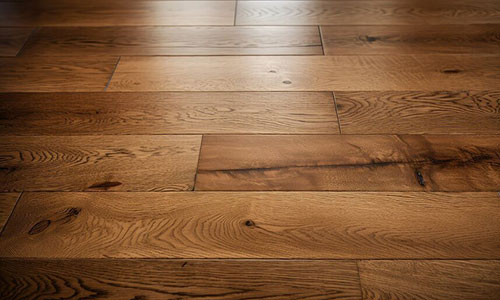
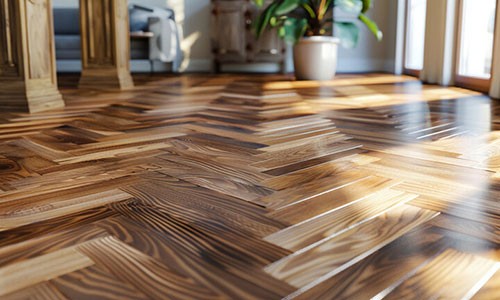
This is real wood all the way through, typically 18-22mm thick. It’s what many people picture when they think of a “proper” wooden floor. Oak, walnut, and ash are popular choices. Solid hardwood can be sanded and refinished multiple times over its lifetime, which is why you’ll find original boards in Georgian and Victorian homes still going strong after 150 years.
Engineered Wood
Engineered boards have a real wood top layer (usually 3-6mm) bonded to multiple layers of plywood or softwood beneath. This construction makes them far more stable than solid wood, particularly in environments with temperature changes or underfloor heating. Brands like Ted Todd produce engineered boards that look identical to solid hardwood but perform better in modern homes.
Laminate
Laminate consists of a photographic image of wood (or stone, or tile) printed onto a fibreboard core, protected by a clear wear layer. Quality has improved enormously in recent years. Quick-Step, for instance, makes laminate flooring that genuinely fools people at first glance. It’s considerably cheaper than real wood but cannot be refinished if damaged.
Luxury Vinyl Tile (LVT)
LVT is a multi-layer vinyl product with a printed design layer and protective coating. Karndean and Amtico are the market leaders in the UK. Modern LVT is waterproof, incredibly durable, and available in designs that convincingly mimic wood, stone, and tile. It’s become one of my most-recommended products for kitchens, bathrooms, and commercial spaces.
Carpet
Still the most popular flooring choice in British homes, particularly for bedrooms and living areas. Brands like Brintons offer exceptional quality wool carpets that will outlast cheaper alternatives many times over. Carpet provides warmth, comfort, and noise reduction that hard flooring simply cannot match.
Natural Stone and Ceramic Tile
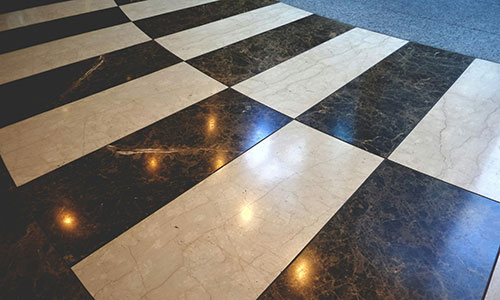
These are the go-to options for areas where water resistance is essential. Porcelain tiles are particularly practical for kitchens and bathrooms, offering excellent durability with minimal maintenance.
Choosing Flooring by Room
One of the most common mistakes I see is people choosing flooring based solely on appearance, without thinking carefully about where it will go. Different rooms have very different demands.
Kitchens
Kitchens need flooring that handles moisture, dropped items, and heavy foot traffic. I’ve lost count of the solid hardwood kitchen floors I’ve seen ruined by water damage around the sink or dishwasher. For kitchens, I typically recommend:
- LVT – Waterproof, comfortable underfoot, available in wood and stone effects
- Porcelain tiles – Extremely durable and water-resistant, though cold and hard
- Engineered wood – Possible with careful attention to sealing and spill management
As highlighted in this homeowner’s flooring guide, ceramic and vinyl flooring excel in moisture-prone areas due to their durability and water resistance.
Bathrooms
Water resistance is non-negotiable here. I never recommend solid hardwood or standard laminate for bathrooms. Your best options include:
- LVT – My top recommendation for most bathrooms
- Porcelain or ceramic tiles – Traditional choice, excellent performance
- Specialist bathroom laminate – Some manufacturers now offer waterproof laminate, though I’d still choose LVT or tile
Living Rooms
Living rooms typically see moderate to heavy traffic but minimal moisture. This opens up more options:
- Engineered hardwood – Gives you that authentic wood look and feel
- Quality laminate – Excellent value if budget is a concern
- LVT – Particularly good if you have children or pets
- Carpet – Still popular for those who prioritise comfort and warmth
Bedrooms
Bedrooms are lower traffic and give you the most flexibility:
- Carpet – Provides warmth and comfort where you walk barefoot
- Engineered wood – Creates a clean, modern feel
- Laminate – Good budget option, especially for children’s rooms
Hallways and Stairs
These are the hardest-working areas of most homes. I’ve seen cheap flooring in hallways wear through in just a few years. My recommendations:
- High-quality LVT – Handles heavy traffic beautifully
- Engineered hardwood – Choose a durable species like oak
- Quality laminate – Look for AC4 or AC5 rated products for commercial-level durability
- Durable carpet – 80% wool blends perform better than synthetic alternatives
Commercial Spaces: Different Demands
Flooring for commercial premises needs to meet different standards than residential installations. I’ve worked in restaurants, offices, retail shops, and healthcare facilities, each with specific requirements.
Key Considerations for Business Owners
Durability ratings matter more. Commercial floors need to handle far more foot traffic than homes. LVT products from Karndean and Amtico come in commercial-grade options with thicker wear layers.
Safety is essential. Slip resistance ratings (R ratings) become important in areas where water or spillages are likely. Many commercial tiles and LVT products are specifically designed with enhanced grip.
Maintenance must be practical. A busy café cannot close for floor maintenance every few months. I recommend products that maintain their appearance with regular mopping and occasional professional cleaning.
First impressions count. Your flooring sets the tone for your business. A high-quality wood-effect LVT in a boutique creates a very different impression than worn carpet tiles.

Honest Pros and Cons
I believe in giving straight answers. Every flooring type has advantages and drawbacks, and understanding these helps you make a realistic choice.
Solid Hardwood
Pros:
- Authentic material with genuine character
- Can be sanded and refinished multiple times
- Adds value to property
- Unique grain patterns in every board
Cons:
- Most expensive option
- Not suitable for underfloor heating in most cases
- Susceptible to moisture damage
- Expands and contracts with humidity changes
Engineered Wood
Pros:
- Real wood appearance and feel
- Compatible with underfloor heating
- More stable than solid wood
- Can often be refinished at least once
Cons:
- Still requires careful moisture management
- Top layer limits refinishing options
- Quality varies significantly between products
- Not fully waterproof
Laminate
Pros:
- Excellent value for money
- Scratch and stain resistant
- Easy to install (many people do it themselves)
- Wide range of designs
Cons:
- Cannot be refinished if damaged
- Can feel artificial underfoot
- Not waterproof (usually)
- Less prestigious than real wood
According to this comprehensive guide to flooring materials, laminate provides an affordable option with good scratch resistance, making it suitable for busy households, though it lacks the authenticity of solid wood.
Luxury Vinyl Tile (LVT)
Pros:
- Waterproof
- Extremely durable
- Comfortable and warm underfoot
- Easy to maintain
- Huge range of designs
Cons:
- Not a natural material
- Some products can look artificial
- Cannot be refinished
- Environmental concerns about plastic content
Carpet
Pros:
- Warmest and most comfortable option
- Excellent sound insulation
- Safe for falls (important with young children or elderly residents)
- Creates a cosy atmosphere
Cons:
- Stains and marks more easily
- Requires regular vacuuming and occasional professional cleaning
- Shorter lifespan than hard flooring
- Can harbour allergens
Cost Considerations
I’m often asked about flooring costs, and the honest answer is that prices vary enormously based on product quality, room preparation needed, and installation complexity.
Material Price Ranges (per square metre, supply only)
- Budget laminate: £8-15
- Quality laminate: £20-35
- Entry-level LVT: £25-40
- Premium LVT: £45-80
- Engineered wood: £40-120+
- Solid hardwood: £60-200+
- Quality wool carpet: £30-80
Installation Costs
Professional installation typically adds £15-40 per square metre, depending on the product and complexity. Some laminate and click-fitting LVT can be installed by confident DIYers, but I’d always recommend professional installation for real wood floors.
Hidden Costs to Consider
Subfloor preparation – If your existing floor is uneven, damaged, or requires moisture barriers, this adds to the cost. Professional installers will assess subfloor condition before quoting, as levelling work prevents gaps and premature failures down the line.
Underlay – Often not included in basic quotes. Quality underlay makes a significant difference to comfort, sound insulation, and floor longevity.
Door trimming – New flooring often requires internal doors to be adjusted.
Skirting boards – You may need new skirting to achieve a clean finish.
Furniture removal – Some installers charge extra for moving heavy furniture.
As noted by this residential flooring guide, obtaining multiple quotes and requesting samples helps homeowners budget accurately and avoid surprises.

Installation Requirements
Getting installation right is just as important as choosing the right product. I’ve been called out to fix countless floors that were installed incorrectly, often by well-meaning DIYers or unqualified fitters.
Preparation is Essential
Subfloor assessment – Your existing floor needs to be level, dry, and structurally sound. Concrete subfloors often need moisture testing. Wooden subfloors may need securing or overlaying.
Acclimatisation – Wood and laminate products should be stored in the room where they’ll be installed for at least 48 hours (often longer) before fitting. This allows the material to adjust to your home’s temperature and humidity.
Underfloor heating – If you have underfloor heating, not all products are suitable. Engineered wood and LVT generally work well; solid hardwood and some laminates do not.
Professional vs DIY Installation
Click-fitting laminate and some LVT products are designed for DIY installation. If you’re reasonably handy, have the right tools, and are fitting in a straightforward room, you may achieve good results.
However, I’d strongly recommend professional installation for:
- Real wood floors (solid or engineered)
- Glue-down LVT
- Any floor over underfloor heating
- Rooms with complex shapes or many obstacles
- Stairs
Professional installers ensure subfloors are properly prepared, cuts are accurate, and expansion gaps are correctly positioned. The cost is usually worth it for a floor that looks better and lasts longer.

Maintenance and Durability
How long your floor lasts depends significantly on how you maintain it.
Hard Floors (Wood, Laminate, LVT)
Daily care:
- Sweep or vacuum regularly to remove grit (this causes more wear than foot traffic)
- Wipe up spills immediately, especially on wood and laminate
- Use doormats at entrances
Regular maintenance:
- Damp mop with appropriate cleaner (never soak wood floors)
- Use felt pads under furniture legs
- Keep pet nails trimmed
Long-term care:
- Real wood floors benefit from periodic oiling or lacquering
- LVT may need polish restoration after several years
- Laminate cannot be refinished – severe damage requires replacement
Carpet
Daily care:
- Regular vacuuming (at least weekly, more in high-traffic areas)
- Address spills immediately with appropriate cleaning methods
Regular maintenance:
- Professional deep cleaning every 12-18 months
- Rotate furniture occasionally to prevent uneven wear
Realistic Lifespan Expectations
- Quality LVT: 20-30 years
- Engineered wood: 25-50 years (depends on top layer thickness and refinishing)
- Solid hardwood: 100+ years (with proper care and refinishing)
- Quality laminate: 15-25 years
- Wool carpet: 15-25 years
- Synthetic carpet: 5-15 years

Common Mistakes to Avoid
In 30 years, I’ve seen plenty of flooring decisions go wrong. Here are the mistakes I most often encounter:
Choosing based on showroom appearance alone. Showrooms have perfect lighting and controlled conditions. Always take samples home and view them in your actual space, at different times of day.
Ignoring the room’s demands. That beautiful pale oak engineered floor might look stunning, but it will show every mark in a busy household with dogs and young children. Be realistic about your lifestyle.
Skimping on installation. A £50 per square metre floor installed badly will look worse and fail sooner than a £30 floor installed properly. Budget appropriately for professional fitting.
Forgetting about subfloor condition. If your subfloor is damp, uneven, or unstable, even the best flooring will fail. Address subfloor issues first.
Not planning for transitions. How will your new floor meet existing floors in adjoining rooms? Will you need threshold strips? Will different floor heights create trip hazards?
Buying online without seeing samples. Colours and textures look different on screen. Always view physical samples before committing.
How to Choose the Right Option
After reading this guide, you might still feel unsure which floor is right for you. Here’s my practical process for helping customers decide:
Step 1: Identify your priorities. What matters most – appearance, durability, comfort, budget, or environmental credentials? Be honest about trade-offs.
Step 2: Consider your household. Do you have children, pets, or lots of visitors? Are any household members elderly or have mobility issues? Does anyone have allergies?
Step 3: Think about room function. High moisture areas eliminate certain options. High traffic areas require durable choices.
Step 4: Set a realistic budget. Include installation costs, underlay, and finishing touches. Underestimating budget leads to disappointment.
Step 5: View samples in your home. Shortlist two or three options and live with samples for a few days. View them in natural and artificial light.
Step 6: Get professional advice. A good flooring specialist will ask questions about your situation and steer you towards practical solutions. Be wary of anyone who pushes a particular product regardless of your circumstances.

Next Steps
Choosing flooring is a significant decision, and I hope this guide has helped clarify your options. Every home and business is different, and what works perfectly for one customer may be entirely wrong for another.
If you’re in London or the Home Counties and want to explore your options, I’d welcome you to visit our showroom. We stock samples from leading manufacturers including Karndean, Amtico, Ted Todd, Quick-Step, and Brintons, and I’m always happy to discuss your specific situation.
We can arrange home consultations if you’d prefer advice in your own space, where we can assess your existing floors and offer tailored recommendations.
Whatever you decide, take your time. A good floor should last decades, so it’s worth getting the decision right.
Scott Wilson
Founder, Indigo Flooring
Latest Work

NATIONAL MUSEUM OF THE ROYAL NAVY – Part of a £1.25m fit out of a major new exhibition for the National Museum of the Royal Navy (NMRM) at Portsmouth Historic Dockyard.
Indigo Flooring were tasked with completing the complicated layout of some 1,500 m2 of Marmoleum flooring with a water jet cut world map inlaid into the floor and Jet cut map of Great Britain vertically installed onto two swing doors, with various hand cut contrasting inlays leading the public to important exhibits throughout.
To see more of our work click here >>>